Fay is sharing her experience openly because many people in remission from DLBCL (Diffuse Large B-Cell Lymphoma), the most common type of aggressive non-Hodgkin lymphoma, live with fear of relapse. A relapse is when cancer comes back after treatment and a period when there were no signs of it.
Research suggests that up to 88 percent of patients experience these fears1, which can have a significant impact on quality of life after treatment. Despite how widespread it is, many people find it difficult to speak openly about their fears, whether with loved ones or with their care team.
As part of Sobi's DLBCL Patient Council, resources have been developed to help people living in remission after DLBCL better understand and manage fear of relapse and feel more confident talking about it. A link to these resources can be found below Fay's story.
"Is this a sign of relapse?"
Fay was diagnosed with DLBCL in June 2023 and has been in remission after treatment since January 2024. Remission means that there are no signs of cancer in the body anymore. But remission for Fay didn't mean the fear went away: Every little ache, every strange sensation she has never felt before, immediately reminds her that she has had cancer. She immediately wonders: "Is this a sign of relapse?"
Sometimes the fear feels physical. She could almost lose her breath. There's a feeling in the pit of her stomach that rises up and becomes overwhelming, and it genuinely makes her feel sick - just the thought that the cancer could come back.
There was also a strange shift when treatment ended for Fay: While being treated, she was in a kind of bubble - surrounded by her medical team, with everyone around her understanding what she is going through. The moment treatment stopped, she was left trying to navigate what many people call "the new you". That's when the fear started.
Stepping into the dark
As a child, Fay's family used to watch horror films on Friday evenings. When the film ended, somebody had to turn the lights off and go upstairs - into the dark, not knowing what they might find. That's exactly how the fear of relapse feels to her. You step into the dark, and until somebody turns the light on and shows you what's there, that uncertainty stays with you.
Fay has just passed the two-year mark. The fear is still there, but she says it's not as intense as it was when it first started.
The impact on everyday life and the family
During the last years, since remission, Fay has had two endoscopies, a colonoscopy, and a chest X-ray. Each one brings anxiety. But the fear touches more than just check-ups. Fay had planned to retire at 65 - she is 59 this year and she decided to retire early as she was not able to do her job physically anymore. She and her husband are both turning 60 this year, and she can't even plan a holiday until she knows everything is okay. It affects her every single day. The good news is that Fay recently received clear results from her MRI scan. So, this year, she is looking forward to planning holidays with her husband and enjoying the good things in life
It's not just Fay who carries this. Her husband feels it too, and her daughter has told her that the fear is always there in the background for her as well, simply from knowing that her mother has had cancer.
Fear of relapse affects family members and loved ones too - not only people living with cancer themselves.
How Fay copes
Fay writes things down a lot, and she spends a lot of time reflecting. When she feels a strange sensation or pain, she tries to ask herself: did I have this pain even before I had cancer? Not everything is necessarily linked to having had cancer, and she tries to stay level-headed, telling herself she won't panic until someone tells her she needs to.
Her personal advice to others going through this:
- Talk to the people around you and try to get help - your clinical nurse specialist, your consultant, if you're able to. Don't just sit on things.
- Find support - look for a "buddy," someone who has walked a mile in your shoes. Someone who can help put things into perspective.
A message worth hearing
Fay believes the topic of fear of relapse really needs to be explored fully. Patients often say they feel well - but when you “read between the lines”, there are so many issues going on underneath. Patients need to get the help they need.
Sobi would like to thank Fay for supporting the development of this text.
Sobi's resources
Explore Sobi's resources, developed together with the DLBCL Patient Council, to help patients and families better understand fear of relapse, manage uncertainty after treatment and feel more confident talking openly about it. Always consult a qualified healthcare professional if you have any questions about your medical condition or treatment.
Understanding and managing fear of relapse
Our infographic reflects real experiences shared by people living with DLBCL about fear of relapse, its triggers, and what can help them regain a sense of control.
Key messages:
- Fear of relapse is common
- Fear of relapse is normal
- However, fear does not have to control your life
With support, connection, knowledge and the right coping strategies, fear can become something that is managed - not something that controls your life.
Watch our related videos - Fear of relapse
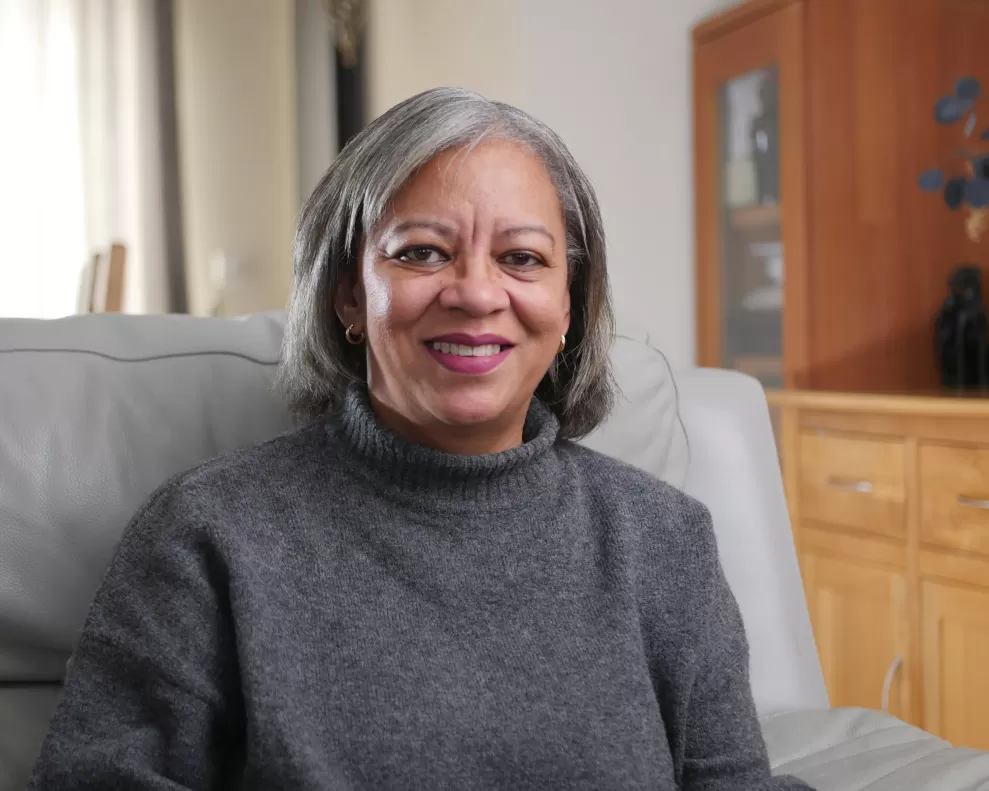
Fay's story
Fear of relapse in Lymphoma and DLBCL - Fay tells her Story
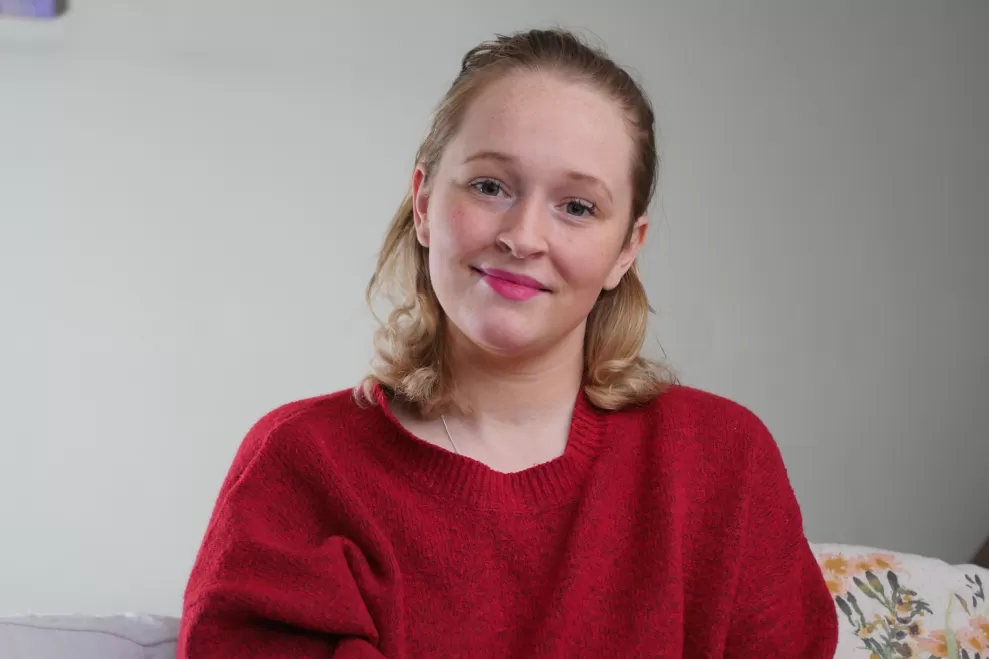
Mollie's story
Fear of relapse in Lymphoma and DLBCL - Mollie tells her story
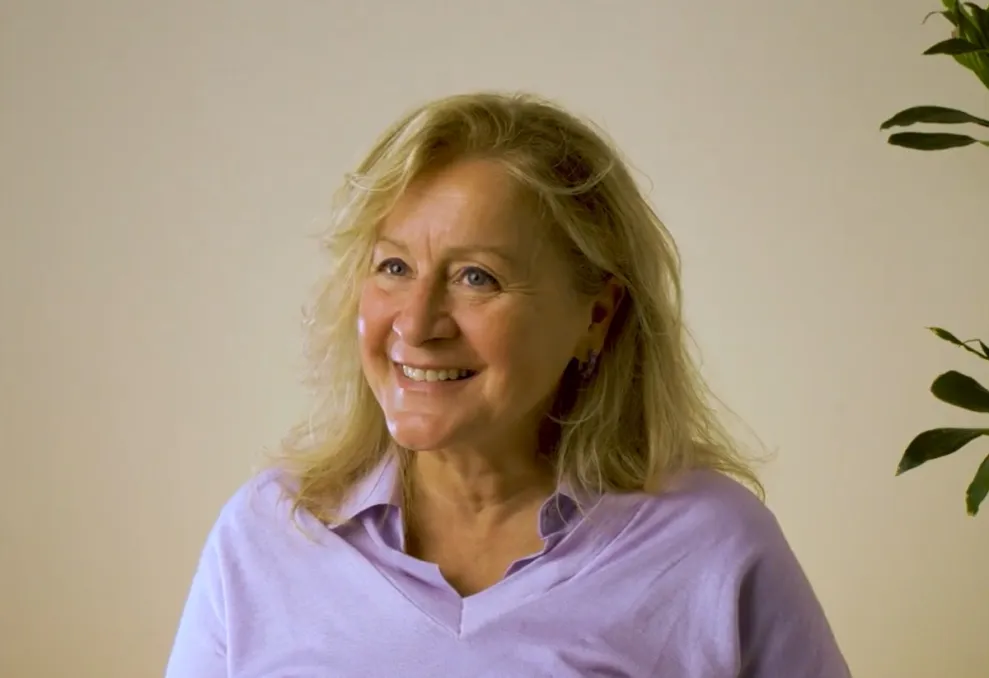
Gabriella's interview
Fear of relapse in Lymphoma and DLBCL - interview with Psycho-Oncologist Prof. Gabriella Pravettoni
Our stories
Diffuse large B-cell lymphoma (DLBCL)
References
1Latella LE et al. Journal of Psychosocial Oncology. 2020;38(3):251–271.
NP-53261
August, 2026