Sobi puts rare kidney disease centre stage at the Euronews Health Summit
Rare kidney disease presents significant challenges for patients, healthcare professionals, researchers, and decision makers. Early intervention is proven to help slow-down disease progression, improve quality of life, and reduce the healthcare cost and burden. But how can Europe meet the challenge of rare kidney disease?
This was the question put forward at the Euronews Health Summit in Brussels in March. And Sobi was there to put the unmet needs for people living with rare kidney disease in the spotlight.
At the centre of the panel discussion titled, Racing Against Time: Europe’s Rare Kidney Disease Challenge, was new data from Sobi’s Rare Kidney Disease Barometer, which aims to inform policy by highlighting the avoidable human and socio-economic impact of these conditions, if diagnosed earlier.
Sobi’s commitment to rare kidney disease is underpinned by extensive research into advancing therapies that aim to meet the unmet needs of patients living with one of the most complex healthcare conditions. Addressing these challenges takes years of collaboration.
During the Euronews Health Summit in Brussels in March, Sobi’s Head of RDMA and Chief Medical Officer, Lydia Abad-Franch participated in a panel discussion exploring how Europe can come together to address the unmet needs for people living with a rare kidney disease
The discussion brought together the below panel of experts who pointed out the need for closer alignment between regulatory approval and access to treatment, ensuring that new therapies reach patients more quickly.
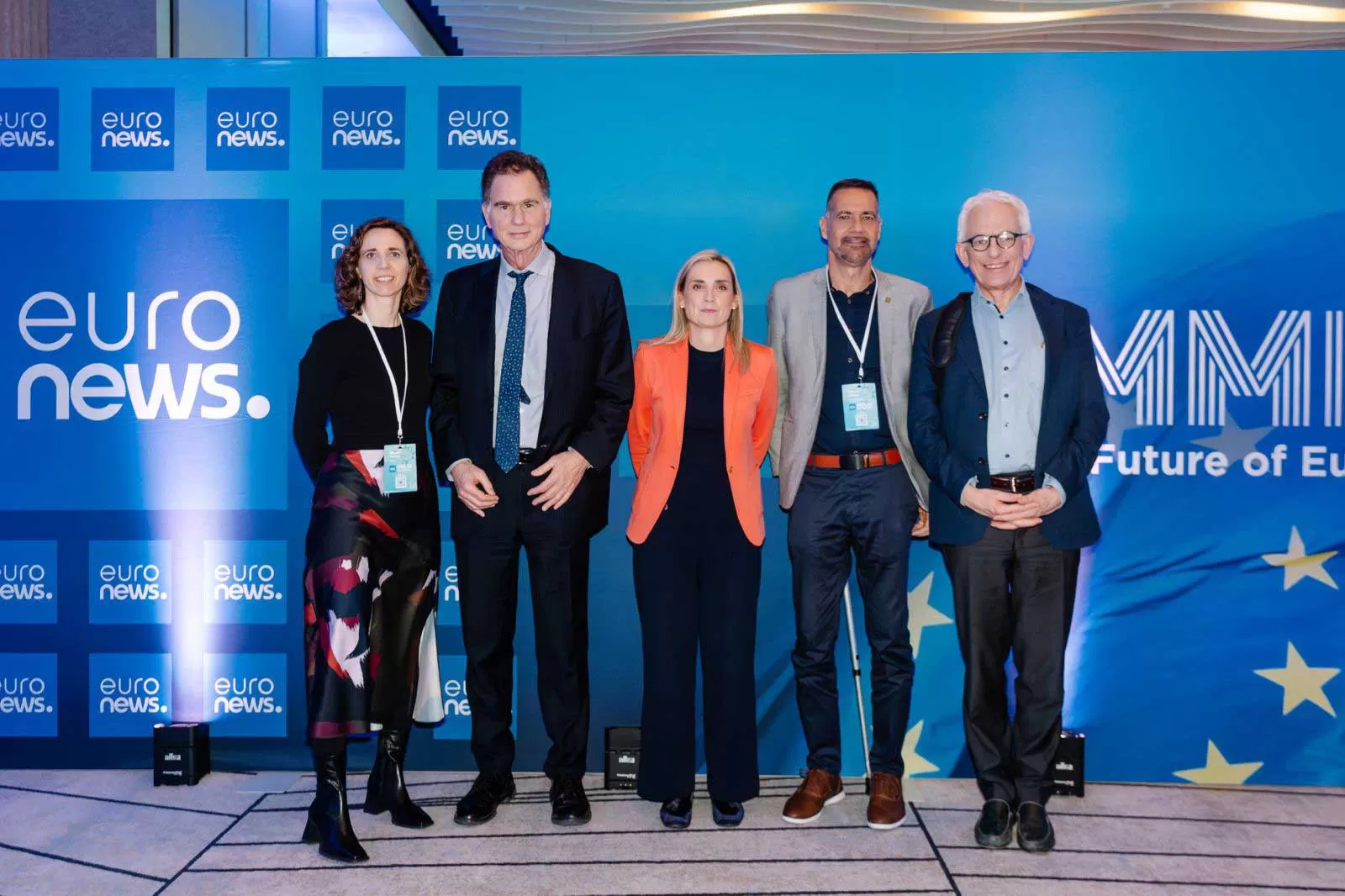
- Lydia Abad Franch, Chief Medical Officer and Head of RDMA, Sobi
- Daniel Gallego, President, European Kidney Patients Federation
- Nikos Papandreou, Member of the European Parliament, Socialists and Democrats
- Professor Michel Jadoul, Co-President, European Kidney Health Alliance
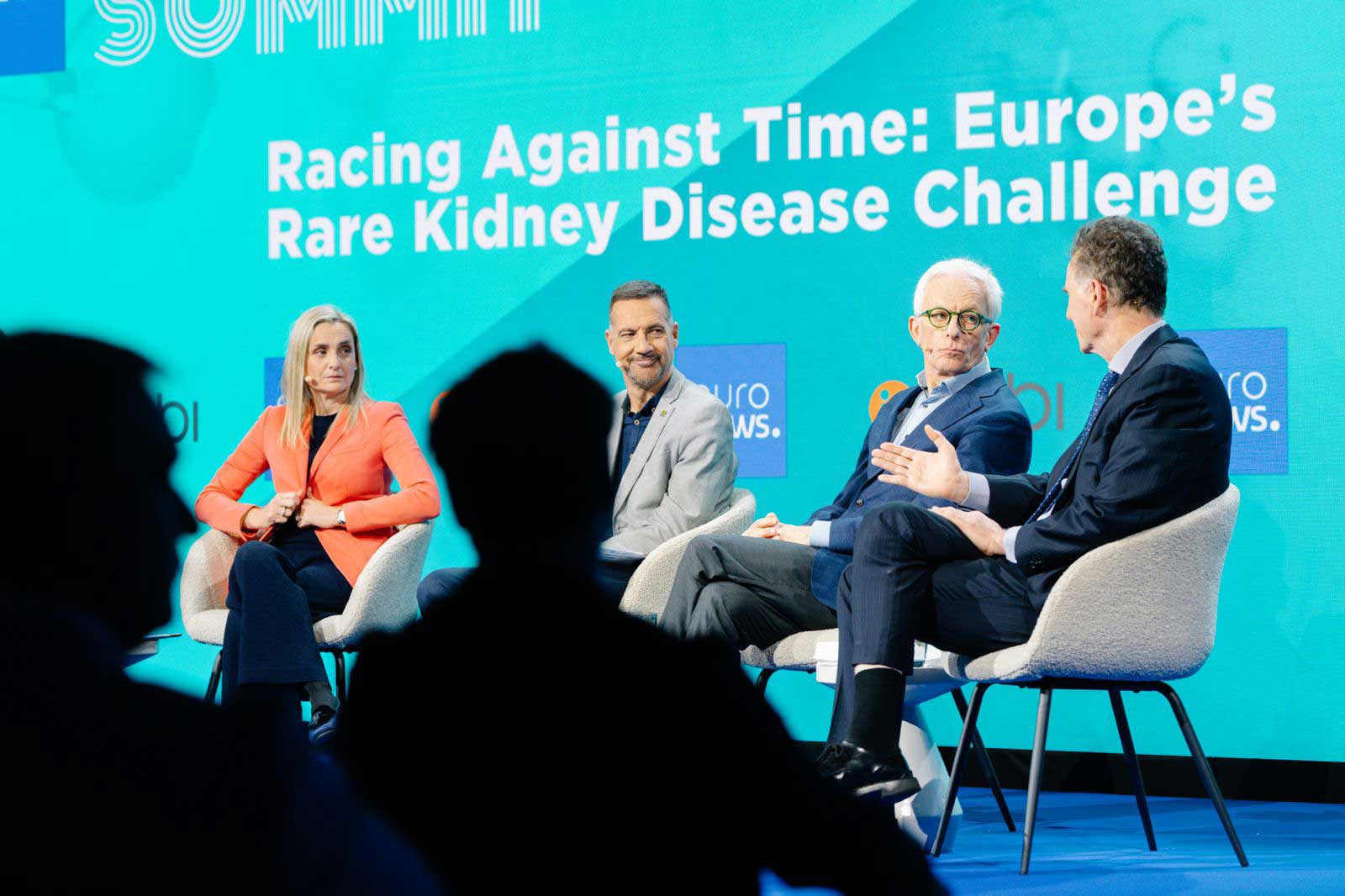
During the debate, Lydia Abad Franch, Chief Medical Officer and Head of RDMA, Sobi said: “It’s really important that we understand the urgency to diagnose patients, so we can then treat with targeted therapies that can delay progression to kidney failure, dialysis and transplant. We need to work together to make this a reality.”
While Professor Michel Jadoul, Co-President, European Kidney Health Alliance said: “in the last seven to eight years there have been more nephrology drugs than in the previous 30. We are progressing, but urine testing is still underused. Across Europe, policy makers need to be aware that urine testing is cheap, accurate, and non-invasive.”
At the EU level, policymakers are championing the cause. MEP Nikos Papandreou highlighted the need to embed screening more firmly into health strategies, particularly for at-risk populations who are currently missed. He said: “Early intervention reduces future costs, while research in rare diseases often delivers broader benefits.”
Closing out the debate, Daniel Gallego, President, European Kidney Patients Federation, said there are three important takeaways for working with patients and improving care: “Patients need to be heard, they need access to treatments, early diagnosis and innovations, and it is important to co-produce protocols with patients, researchers, and HCP.”
View the Euronews Debates Highlight: The challenges of rare kidney diseases from the Euronews Health Summit
We are a global biopharma company unlocking the potential of breakthrough innovations, transforming everyday life for people living with rare diseases.
Our therapies are concentrated within the areas of Haematology, Immunology and Specialty Care.
We contribute to societies by improving access to treatment of rare diseases.
Here we present our most recent press releases, stories, news articles, and images.
Find out more about our business and financial performance.
Every day, we work actively to find better ways to understand and meet patient needs.
- About
- Therapeutic areas
- Innovation
- Sustainability
- News & Stories
- Investors
- Careers
- English
- Swedish